 Call Us:-
 Email:-
 Send Inquiry


 Send Inquiry
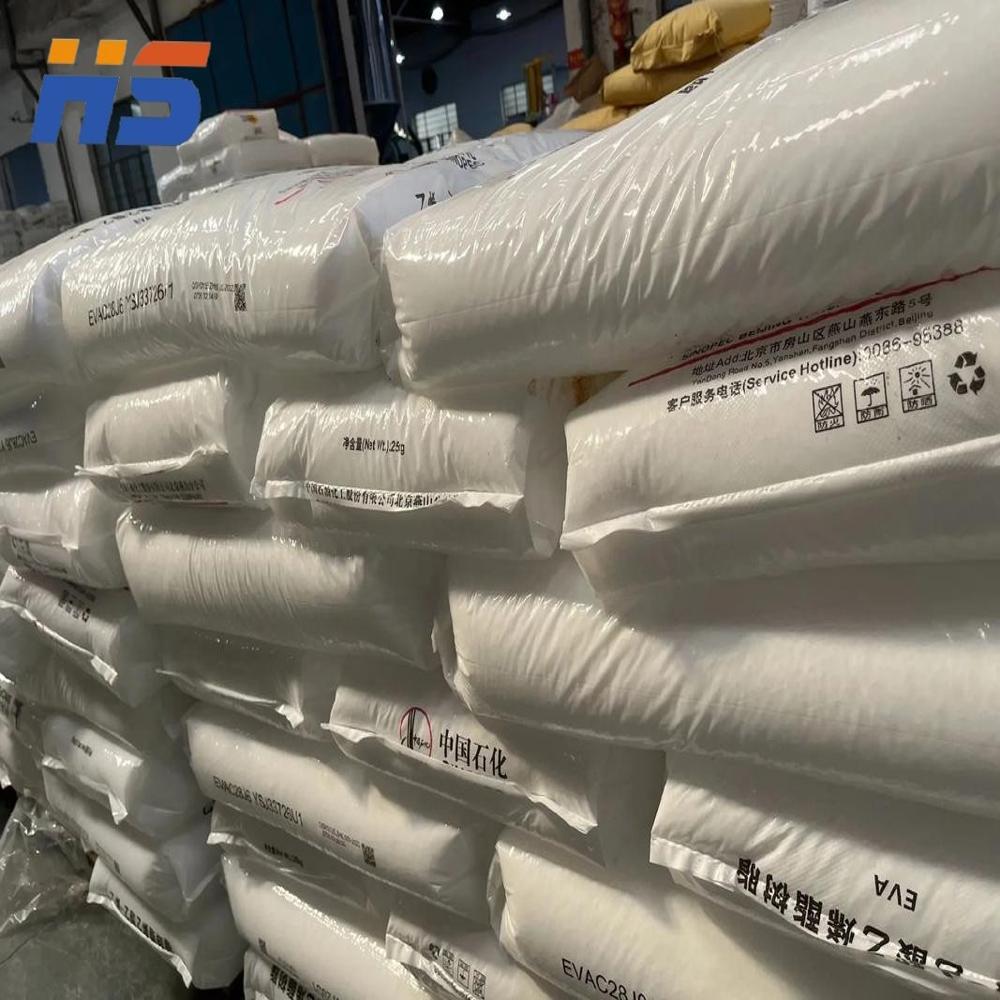
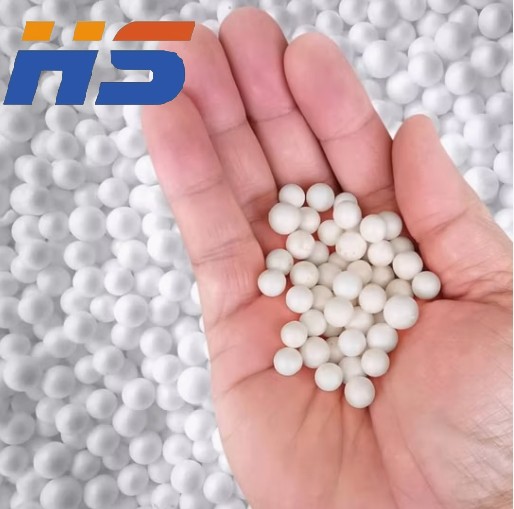
EthyleneVinyl Acetate EVA
Price 1200.0 USD ($)/ Piece
MOQ : 1000 Pieces
EthyleneVinyl Acetate EVA Trade Information
- Minimum Order Quantity
- 1000 Pieces
- FOB Port
- QINGDAO
- Payment Terms
- Western Union, Letter of Credit (L/C), Telegraphic Transfer (T/T)
- Supply Ability
- 5000 Pieces Per Month
- Delivery Time
- 7 Days
- Sample Policy
- Sample costs shipping and taxes has to be paid by the buyer
- Packaging Details
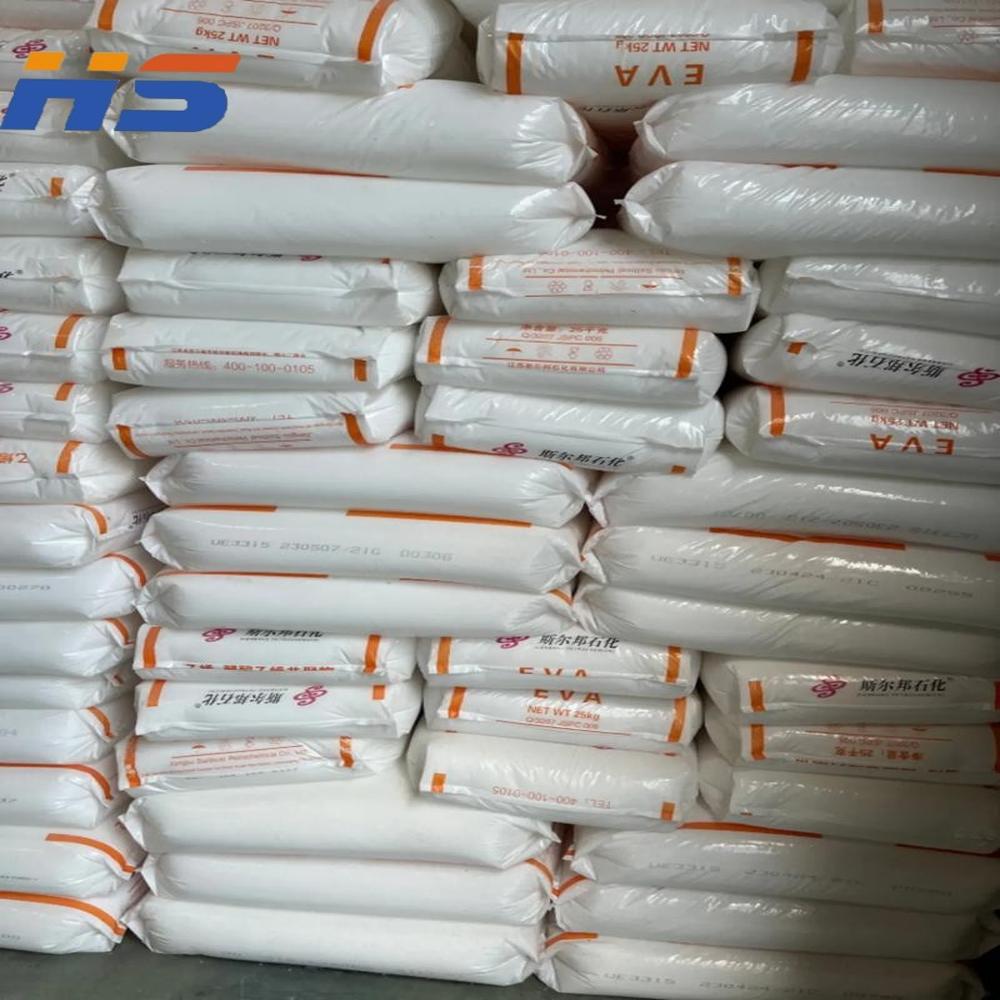
- 25KG/BAG
- Main Export Market(s)
- Asia, Australia, Middle East, Central America, North America, South America, Eastern Europe, Western Europe, Africa
- Main Domestic Market
- All India
EthyleneVinyl Acetate EVA About
Product Name: EthyleneVinyl Acetate Copolymer (EVA)Versatile Applications Across Industries
EVA granules find broad utility, ranging from foamed materials used in sports shoes, slippers, and cushioning mats, to specialized films for solar cell encapsulation in the photovoltaic industry. It is also essential for producing hot-melt adhesives, wire insulation, and agricultural films. Its adaptability makes it a valued material across manufacturing, packaging, electronics, and construction sectors.
Physical and Chemical Properties
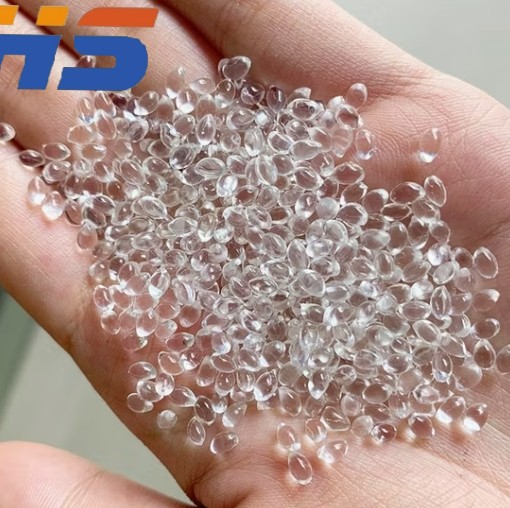
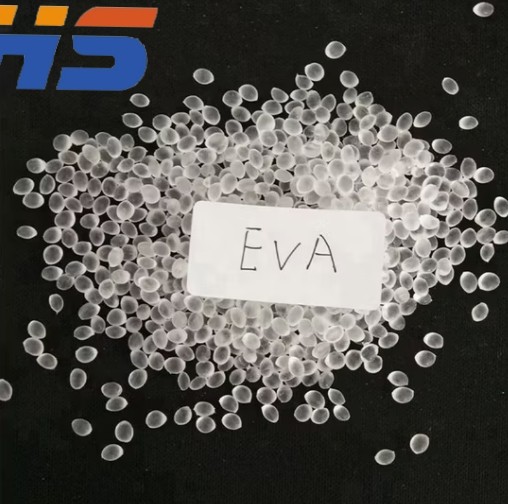
EVA is transparent, odorless, and non-toxic, offering a melting point of 75C and a density of 0.948 g/mL at room temperature. Its granule form facilitates efficient processing in manufacturing. The combination of flexibility, low-temperature resilience, and compatibility with other polymers allows EVA to enhance product performance in numerous high-demand scenarios.
FAQ's of EthyleneVinyl Acetate EVA:
Q: How is Ethylene Vinyl Acetate (EVA) typically used in the foamed form?
A: Foamed EVA is widely utilized in sports shoe midsoles, slippers, yoga mats, crawling mats, cushioning packaging inserts, and buoyancy materials due to its flexibility, shock absorption, and lightweight properties.Q: What makes EVA suitable for use in the photovoltaic industry?
A: EVA's specialty grades with high vinyl acetate (VA) content are used to create encapsulation films for solar cells. These films offer excellent transparency, weather resistance, and secure bonding, ensuring durability and efficiency of solar panels.Q: When and how should EVA granules be stored to maintain their quality?
A: EVA should be stored at room temperature in a dry environment. Proper storage ensures the material remains free-flowing, preserves its physical properties, and extends its shelf life up to three years.Q: Where can EVA be applied as a raw material for adhesives?
A: EVA is used in the manufacture of hot-melt adhesives for applications such as packaging, bookbinding, and lamination. Grades with high VA content and melt flow index are specifically chosen to enhance adhesive flexibility and bonding strength.Q: What benefits does EVA offer as a cable insulation and jacketing material?
A: EVA provides excellent electrical insulation, flexibility, and resistance to low temperatures, making it ideal for use in wire and cable jacketing, including low-temperature resistant cables.Q: How does EVA contribute to film manufacturing?
A: EVA is utilized in agricultural greenhouse films, heat-sealable packaging films, and composite films due to its clarity, sealability, and ability to endure varying temperatures and environmental conditions.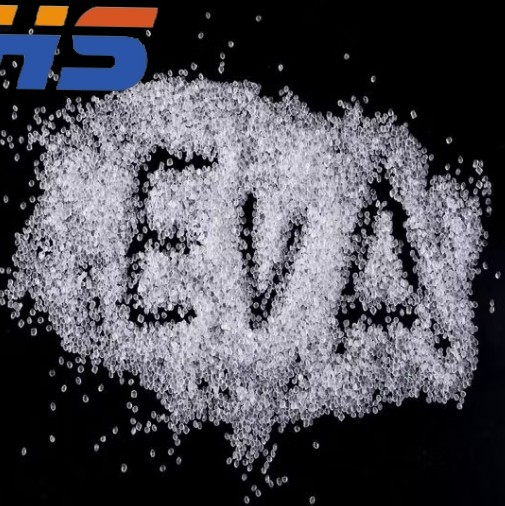
Tell us about your requirement

Price:
Quantity
Select Unit
- 50
- 100
- 200
- 250
- 500
- 1000+
Additional detail
Mobile number
Email

More Products in Plastic pellets Category
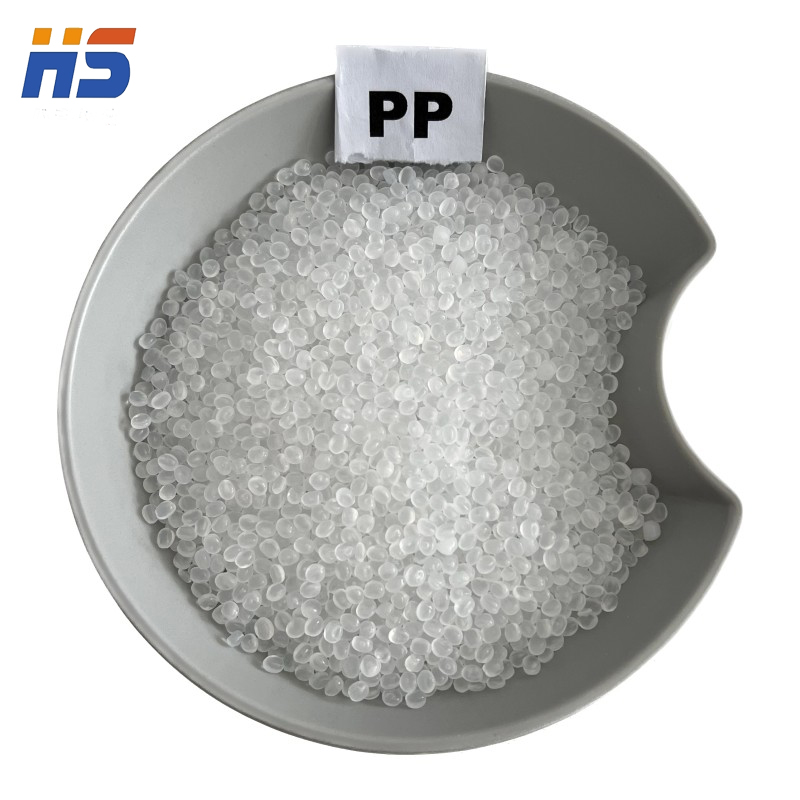
Poly propylene
Price 900.0 USD ($) / Ton
Minimum Order Quantity : 1 Ton
Length : 25 mm (granule size)
Style : Raw granules / beads
Material : Polypropylene (PP)
Size : Granules; custom sizing available
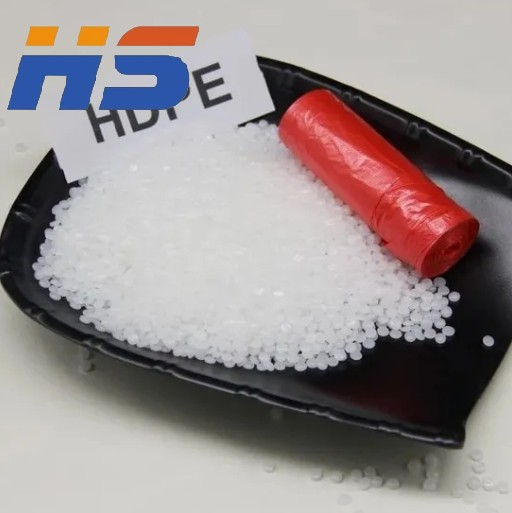
High Density Polyethylene HDPE
Price 1050.0 USD ($) / Ton
Minimum Order Quantity : 1 Ton
Length : 35 Millimeter (mm)
Style : Virgin HDPE resin pellets, solid granular form
Material : 100% Virgin HDPE (High Density Polyethylene), CAS:9002884,
Size : 3 5mm cylindrical virgin plastic pellets, uniform particle size

Contact Details

- D17 Cultural and Creative Industrial Park, Dikou Road, Guanzhaying Street, Jinan - 111111, Shandong, China
- Phone : 86-135-18611196
Shandong Huashi Import & Export Co., Ltd.

- Ms Lily Liu (Manager)
- Mobile : +8613518611196
- Send Inquiry

 Send Inquiry
Shandong Huashang Chemical Co., Ltd.
All Rights Reserved.(Terms of Use)
Developed and Managed by Infocom Network Private Limited.
Developed and Managed by Infocom Network Private Limited.
 English
 Spanish
 French
 German
 Italian
 Chinese (Simplified)
 Japanese
 Korean
 Arabic
 Portuguese