 Call Us:-
 Email:-
 Send Inquiry


 Send Inquiry
Hydroxypropyl methyl cellulose
Hydroxypropyl methyl cellulose Specification
- Form
- Powder
- Other Names
- HPMC
- Ph Level
- 5.0-8.0
- HS Code
- 3912900000
- Smell
- Other
- Molecular Weight
- 59.08708 GSM (gm/2)
- Density
- 1.39 Gram per cubic centimeter(g/cm3)
- Storage
- Room Temperature
- Taste
- Other
- Molecular Formula
- C3H7O*
- Classification
- Organic Chemicals
- CAS No
- 9004-65-3
- Grade
- Industrial Grade
- Application
- Industrial
Hydroxypropyl methyl cellulose Trade Information
- FOB Port
- qingdao port
- Payment Terms
- Western Union, Letter of Credit (L/C), Telegraphic Transfer (T/T)
- Supply Ability
- Delivery Time
- 7 Days
- Sample Policy
- Sample costs shipping and taxes has to be paid by the buyer
- Packaging Details
- 25kg/bag
- Main Domestic Market
- All India
Hydroxypropyl methyl cellulose About
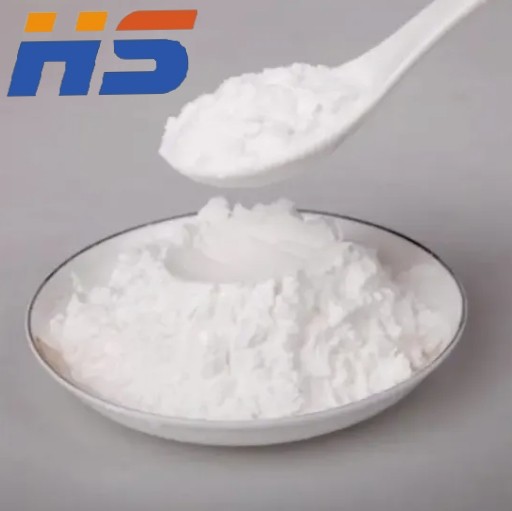
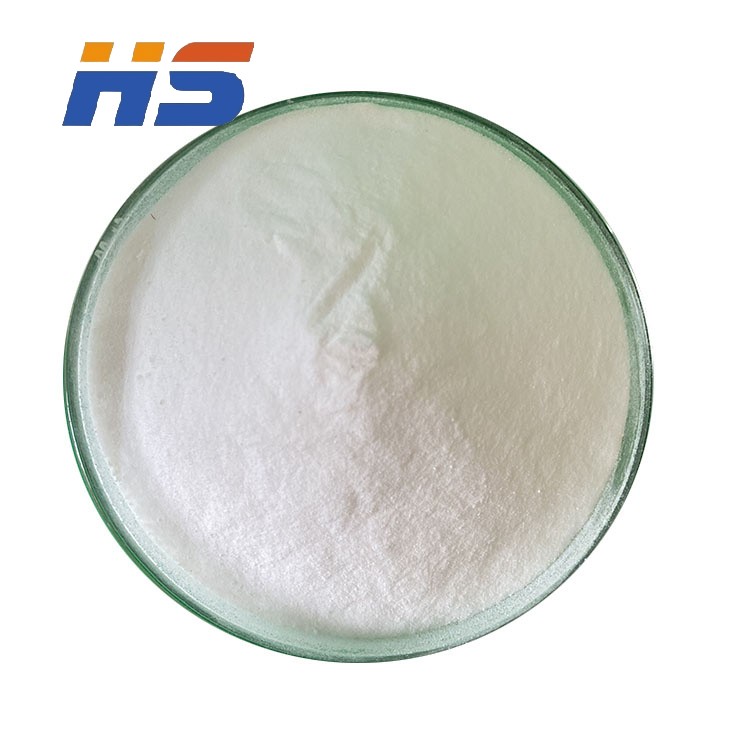
Hydroxypropyl Methyl Cellulose (HPMC), CAS No.9004-65-3, non-ionic modified cellulose ether, white powder. Widely used as water retention thickener for wall putty, tile adhesive, cement mortar and gypsum products; suspension dispersant for PVC resin polymerization; thickener & stabilizer for water-based paint, latex paint and daily detergents. Packed in 25kg paper-plastic composite bags with PE inner liner, non-dangerous goods for general transportation.Food Grade Hydroxypropyl Methyl Cellulose (E464, CAS 9004-65-3), compliant food additive derived from plant cellulose, odorless white powder. Function as thickener, emulsifier, stabilizer and film-forming agent in bakery, frozen food, sauces, dairy and plant-based meat products. Comply with FDA & EU food regulations, available with Halal, Kosher and SGS certificates.
Pharmaceutical Grade Hypromellose (HPMC, CAS 9004-65-3), pharmacopoeia grade pharmaceutical excipient complying with USP, EP and CP standards. Applied for tablet film coating, sustained-release matrix, hard capsule shell material, viscosity modifier in eye drops and ointment base, with strict control on heavy metal and microbial limit.
Industrial Applications and Versatility
Hydroxypropyl methyl cellulose (HPMC) serves a broad range of industrial purposes, particularly due to its excellent thickening and binding qualities. It is commonly used in construction, paint, adhesives, pharmaceuticals, and food processing. Its water retention capability and ability to improve consistency in formulations make it indispensable for diverse industries seeking consistent performance.
Physical and Chemical Attributes
Presented as a white or off-white powder, HPMC maintains a stable structure at room temperature. Its density measures 1.39 g/cm3, offering ease of handling and mixing in industrial applications. The pH level between 5.0 and 8.0 supports compatibility in various chemical environments, while its organic composition ensures minimal reactivity and safety during use.
FAQ's of Hydroxypropyl methyl cellulose:
Q: How is hydroxypropyl methyl cellulose (HPMC) typically used in industrial applications?
A: Hydroxypropyl methyl cellulose is primarily used as a thickener, stabilizer, and binder across industries like construction, paints, adhesives, and pharmaceuticals. It helps in improving workability, water retention, and consistency of finished products.Q: What benefits does HPMC offer in manufacturing processes?
A: HPMC provides enhanced performance by improving water retention, film formation, and stabilization of mixtures. Its use results in better texture, uniformity, and increased durability in products such as cement, paints, and coatings.Q: When should HPMC be stored and handled, and under what conditions?
A: HPMC should be stored in a dry, room-temperature environment to retain its powder form and prevent caking or degradation. Ensure the packaging is sealed after each use to maintain the product's integrity.Q: Where can hydroxypropyl methyl cellulose be sourced from?
A: HPMC can be sourced from specialized chemical distributors, exporters, manufacturers, suppliers, traders, and wholesalers who cater to industrial needs. Always verify the supplier's credentials and product specifications before purchase.Q: What is the process for incorporating HPMC into industrial formulations?
A: Typically, HPMC powder is gradually dispersed into water or other solvents with continuous stirring to avoid clumping. It is then mixed until a homogeneous solution or gel is formed, adapting to the requirements of the specific application.Q: What is the pH range of HPMC and why does it matter?
A: The pH range of HPMC is 5.0 to 8.0, which ensures its compatibility with a wide array of formulations and minimizes risks of unwanted chemical reactions, making it highly versatile for various industrial uses.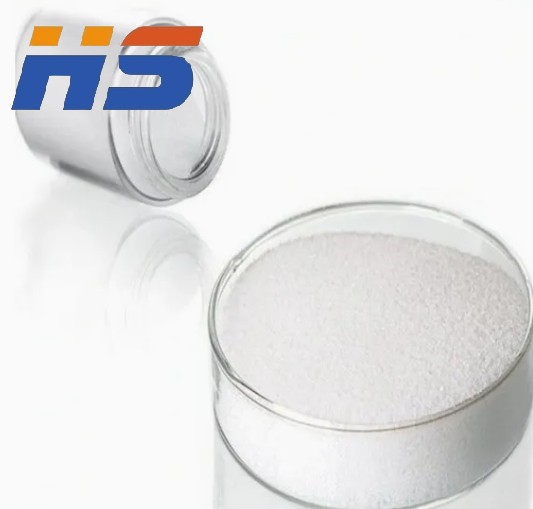
Tell us about your requirement

Price:
Quantity
Select Unit
- 50
- 100
- 200
- 250
- 500
- 1000+
Additional detail
Mobile number
Email

More Products in Cellulose Category Category
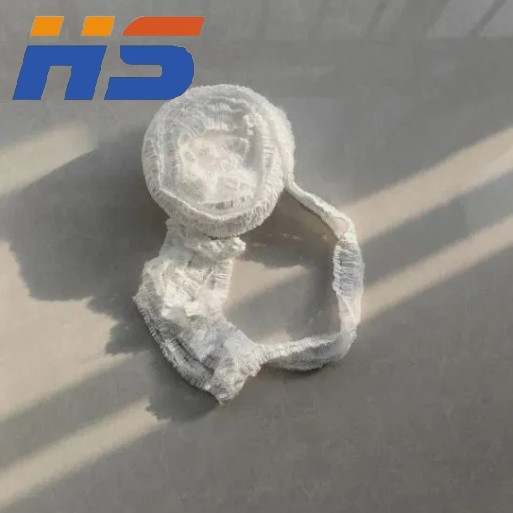
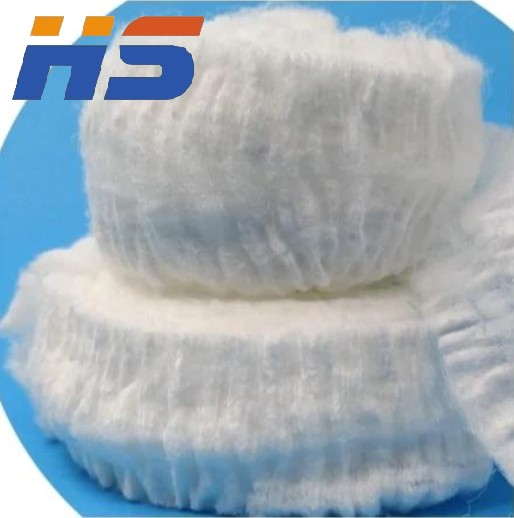
White Cellulose Acetate Tow
Price 1500.0 USD ($) / Ton
Minimum Order Quantity : 1 Ton
Purity : >99%
Usage : Filter material, absorbent product, industrial
Taste : Other
Standard : Conforms with industrial standards
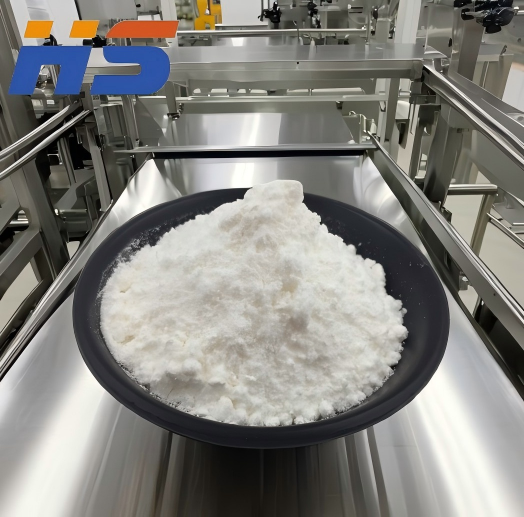
Cellulose Acetate Tow
Price 1500.0 USD ($) / Ton
Minimum Order Quantity : 1 Ton
Purity : 99% (varies per specification)
Usage : Filter material, absorbent medium, fiber production
Taste : Other
Standard : GB/T 1040, or as required
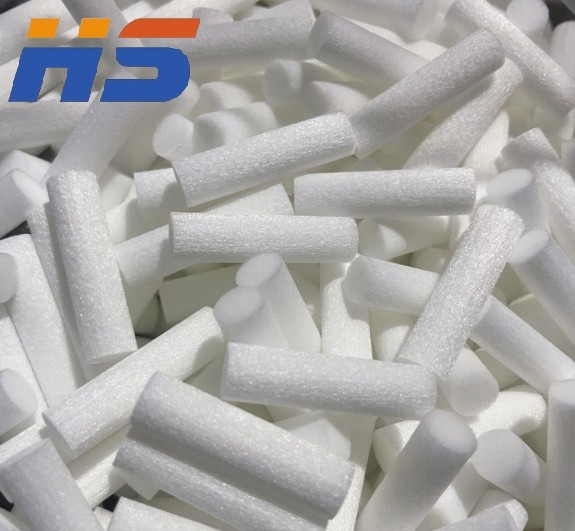
Versatile Cellulose Acetate Bundles
Price 1500.0 USD ($) / Ton
Minimum Order Quantity : 1 Ton
Purity : 99%
Usage : Industrial, Manufacturing, Filtration
Taste : Other
Standard : Conforms to industrial standards
Cellulose Acetate Tow CAS 9004-35-7
Price 100.00 INR / Kilograms
Minimum Order Quantity : 50 Kilograms
Purity : 99%
Usage : Used mainly for filtration in cigarette filters and as fiber in textiles
Taste : Other
Standard : GB/T 105702007

Contact Details

- D17 Cultural and Creative Industrial Park, Dikou Road, Guanzhaying Street, Jinan - 111111, Shandong, China
- Phone : 86-135-18611196
Shandong Huashi Import & Export Co., Ltd.

- Ms Lily Liu (Manager)
- Mobile : +8613518611196
- Send Inquiry

 Send Inquiry
 Call Me Free
Shandong Huashang Chemical Co., Ltd.
All Rights Reserved.(Terms of Use)
Developed and Managed by Infocom Network Private Limited.
Developed and Managed by Infocom Network Private Limited.
 English
 Spanish
 French
 German
 Italian
 Chinese (Simplified)
 Japanese
 Korean
 Arabic
 Portuguese