 Call Us:-
 Email:-
 Send Inquiry


 Send Inquiry
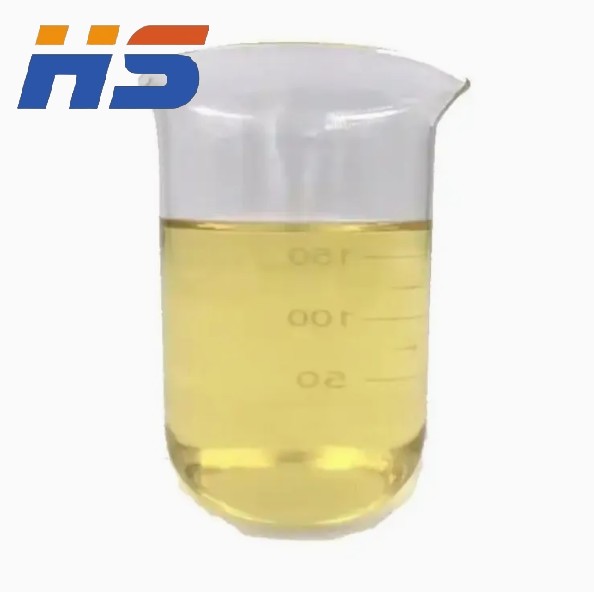
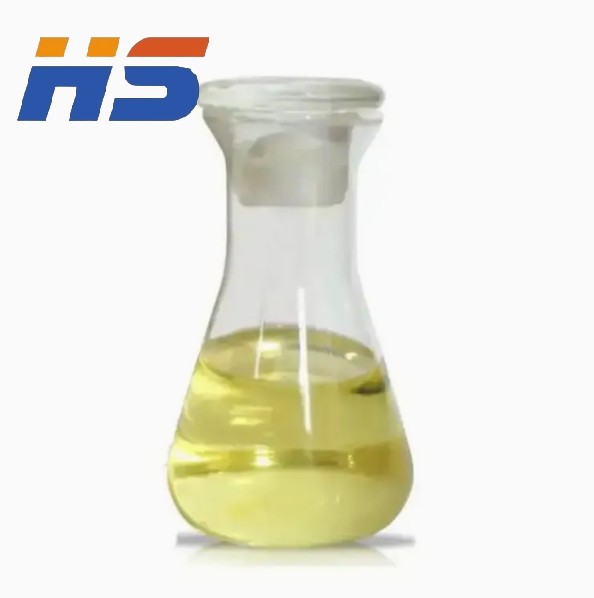
Oleic acid
Price 1400.0 USD ($)/ Ton
MOQ : 1 Ton
Oleic acid Specification
- Classification
- Other
- CAS No
- 112-80-1
- Other Names
- Other
- Standard
- Industrial Grade
- Physical Form
- Liquid
- Application
- Feed additives, Oil Industry, Industrial, Food
- Appearance
- Pale yellow oily liquid
- Solubility
- Practically insoluble in water
- Color
- Pale yellow
Oleic acid Trade Information
- Minimum Order Quantity
- 1 Ton
- FOB Port
- qingdao port
- Payment Terms
- Letter of Credit (L/C), Telegraphic Transfer (T/T), Western Union
- Supply Ability
- Ton
- Delivery Time
- 7 Days
- Sample Policy
- Free samples available with shipping and taxes paid by the buyer
- Packaging Details
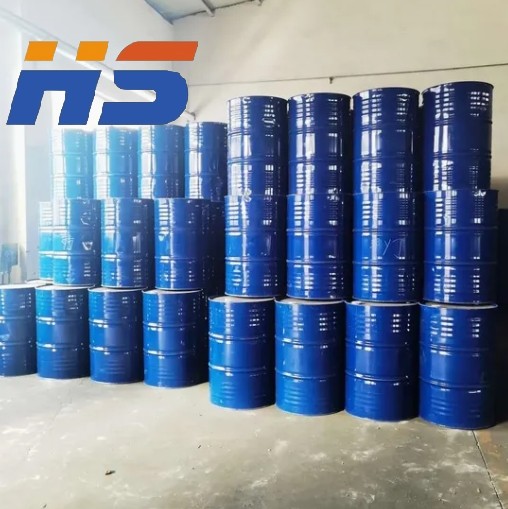
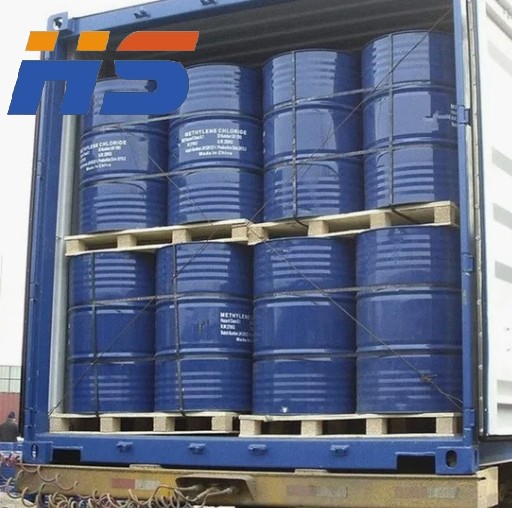
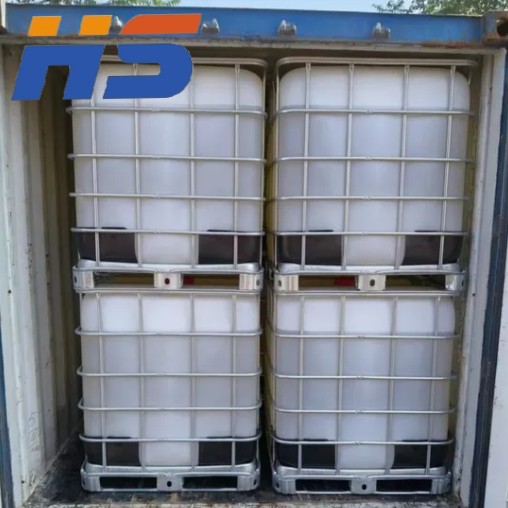
- 180 kg galvanized iron drum
- Main Domestic Market
- All India
Oleic acid About
Oleic acid is an unsaturated fatty acid containing a single carbon-carbon double bond in its molecular structure; it is a constituent fatty acid of triglycerides and is the most widely distributed unsaturated fatty acid in nature. It can be obtained through the hydrolysis of fats and oils, and its chemical formula is CH3(CH2)7CH=CH(CH2)7COOH. Its glycerides are major components of olive oil, palm oil, lard, and other animal and vegetable fats. Industrial-grade oleic acid typically contains 712% saturated fatty acids (such as palmitic and stearic acids) and small amounts of other unsaturated fatty acids (such as linoleic acid). It is a colorless oily liquid with a specific gravity of 0.895 (25/25C), a freezing point of 4C, a boiling point of 286C (13,332 Pa), and a refractive index of 1.463 (18C). Its iodine value is 89.9, and its acid value is 198.6. It is insoluble in water but soluble in alcohol, benzene, chloroform, diethyl ether, and other volatile or non-volatile oils. Upon exposure to airespecially in the presence of impuritiesit oxidizes easily, turning yellow or brown and developing a rancid odor. It decomposes when heated to 80100C at atmospheric pressure. It is produced from animal and vegetable fats through saponification and acidification. Oleic acid is an essential nutrient in animal diets. Its lead, manganese, and cobalt salts serve as paint driers; its copper salt acts as a preservative for fishing nets; and its aluminum salt is used as a waterproofing agent for fabrics and a thickening agent for certain lubricating oils. Epoxidation of oleic acid yields epoxy oleate esters (plasticizers), while oxidative cleavage produces azelaic acid (a raw material for polyamide resins). It should be stored in a sealed container away from light. Oleic acid exists abundantly in animal and vegetable fats, primarily in the form of glycerides. Certain simple oleic acid esters are used in the textile, leather, cosmetic, and pharmaceutical industries. Alkali metal salts of oleic acid are water-soluble and constitute a major ingredient in soap. Salts of oleic acid with metals such as lead, copper, calcium, mercury, and zinc are water-insoluble and serve as dry lubricants, paint driers, and waterproofing agents. Oleic acid is primarily derived from natural sources; it is obtained by subjecting oils and fats with high oleic acid content to processes involving saponification, acidification, and separation. Oleic acid exists in *cis* and *trans* isomeric forms; naturally occurring oleic acid possesses the *cis* configuration (whereas the *trans* form cannot be absorbed by the human body). It helps soften blood vessels and plays a vital role in the metabolism of humans and animals. However, since the body cannot synthesize sufficient amounts of oleic acid to meet its needs, it must be obtained through diet; consequently, consuming edible oils rich in oleic acid is beneficial to health.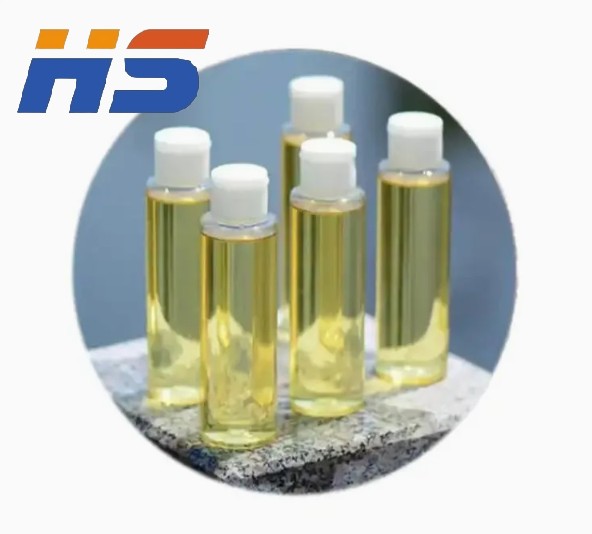
Tell us about your requirement

Price:
Quantity
Select Unit
- 50
- 100
- 200
- 250
- 500
- 1000+
Additional detail
Mobile number
Email

More Products in Organic compound Category
n- Tetradecane
Price 1650.0 USD ($) / Ton
Minimum Order Quantity : 1 Ton
CAS No : 629 59 4
Standard : Industrial Grade
Color : colorless
Physical Form : Liquid
Glycerol Compound
Price 1000.0 USD ($) / Ton
Minimum Order Quantity : 1 Ton
CAS No : 56815
Standard : Industrial Grade
Color : Colorless and transparent
Physical Form : Liquid
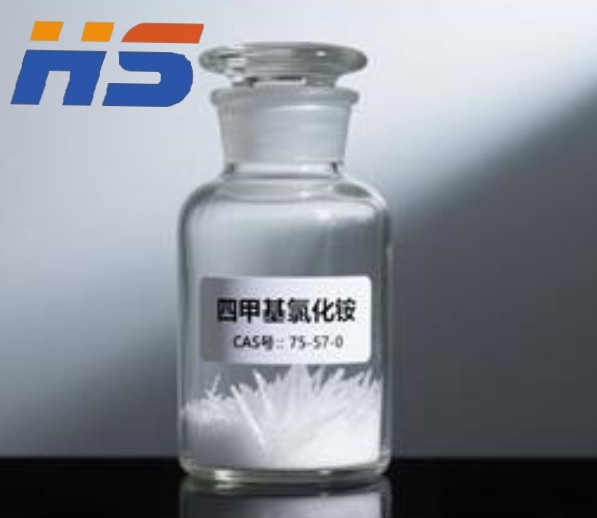
Tetramethylammonium Chloride TMAC CAS 75-57-0
Price 2500.0 USD ($)
Minimum Order Quantity : 1
CAS No : 75 57 0
Standard : Industrial Grade
Color : White
Physical Form : Powder
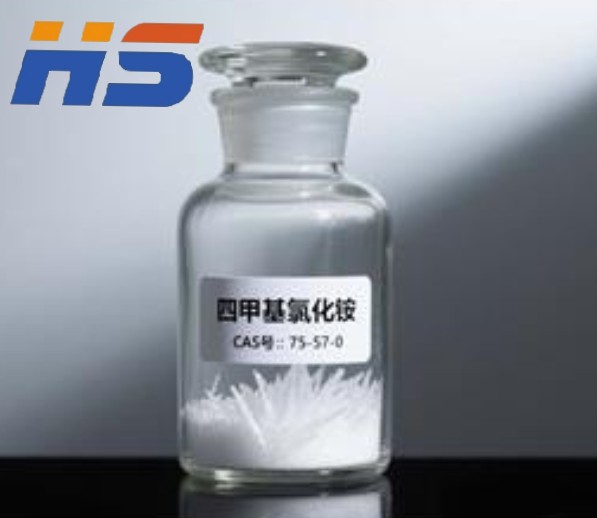
Tetramethylammonium chloride TMAC CAS75-57-0
Price 2500.0 USD ($)
Minimum Order Quantity : 1
CAS No : 75570
Standard : Other, Industrial Grade / Analytical Reagent Grade (AR)
Color : White
Physical Form : Other, Crystalline Solid

Contact Details

- D17 Cultural and Creative Industrial Park, Dikou Road, Guanzhaying Street, Jinan - 111111, Shandong, China
- Phone : 86-135-18611196
Shandong Huashi Import & Export Co., Ltd.

- Ms Lily Liu (Manager)
- Mobile : +8613518611196
- Send Inquiry

 Send Inquiry
 Call Me Free
Shandong Huashang Chemical Co., Ltd.
All Rights Reserved.(Terms of Use)
Developed and Managed by Infocom Network Private Limited.
Developed and Managed by Infocom Network Private Limited.
 English
 Spanish
 French
 German
 Italian
 Chinese (Simplified)
 Japanese
 Korean
 Arabic
 Portuguese